
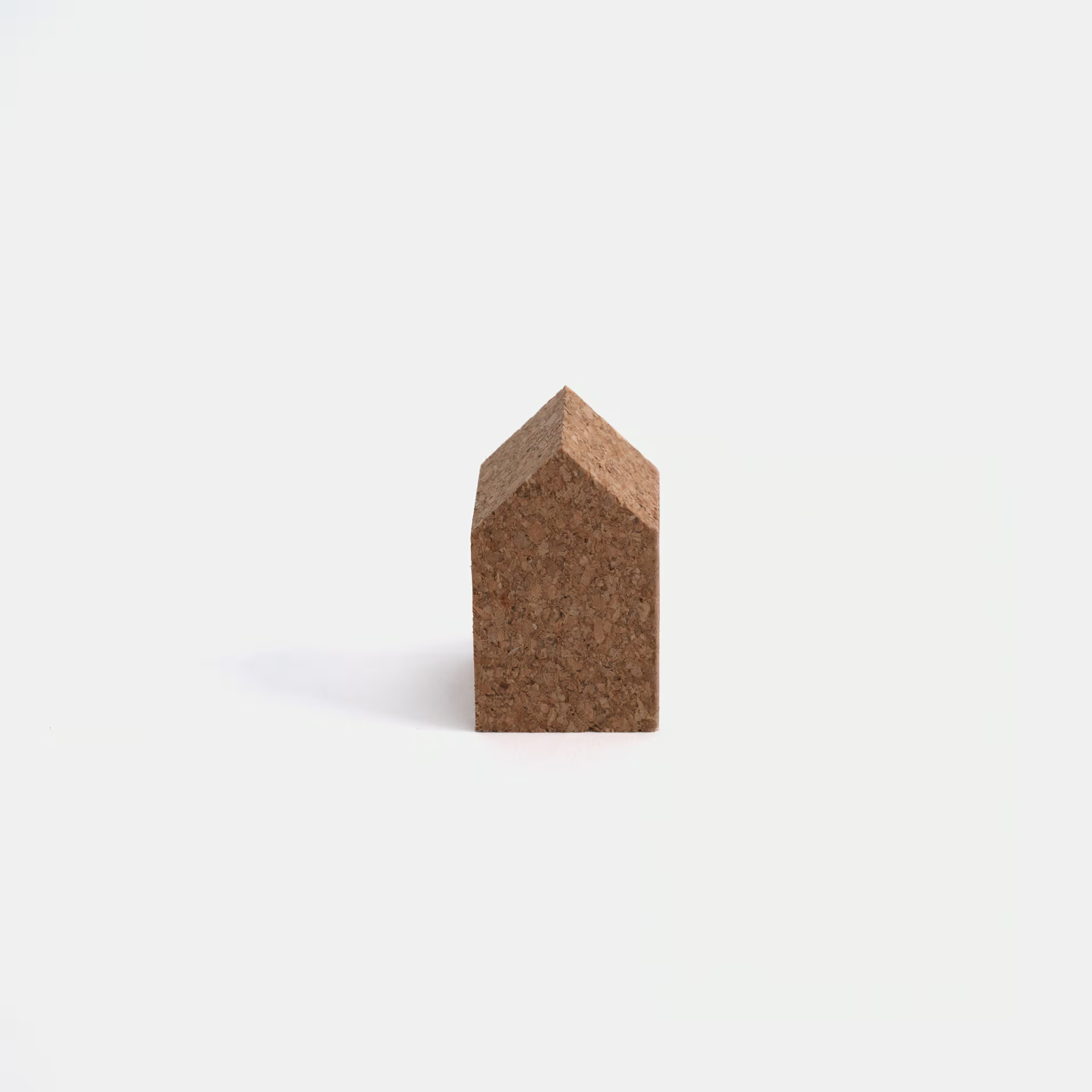



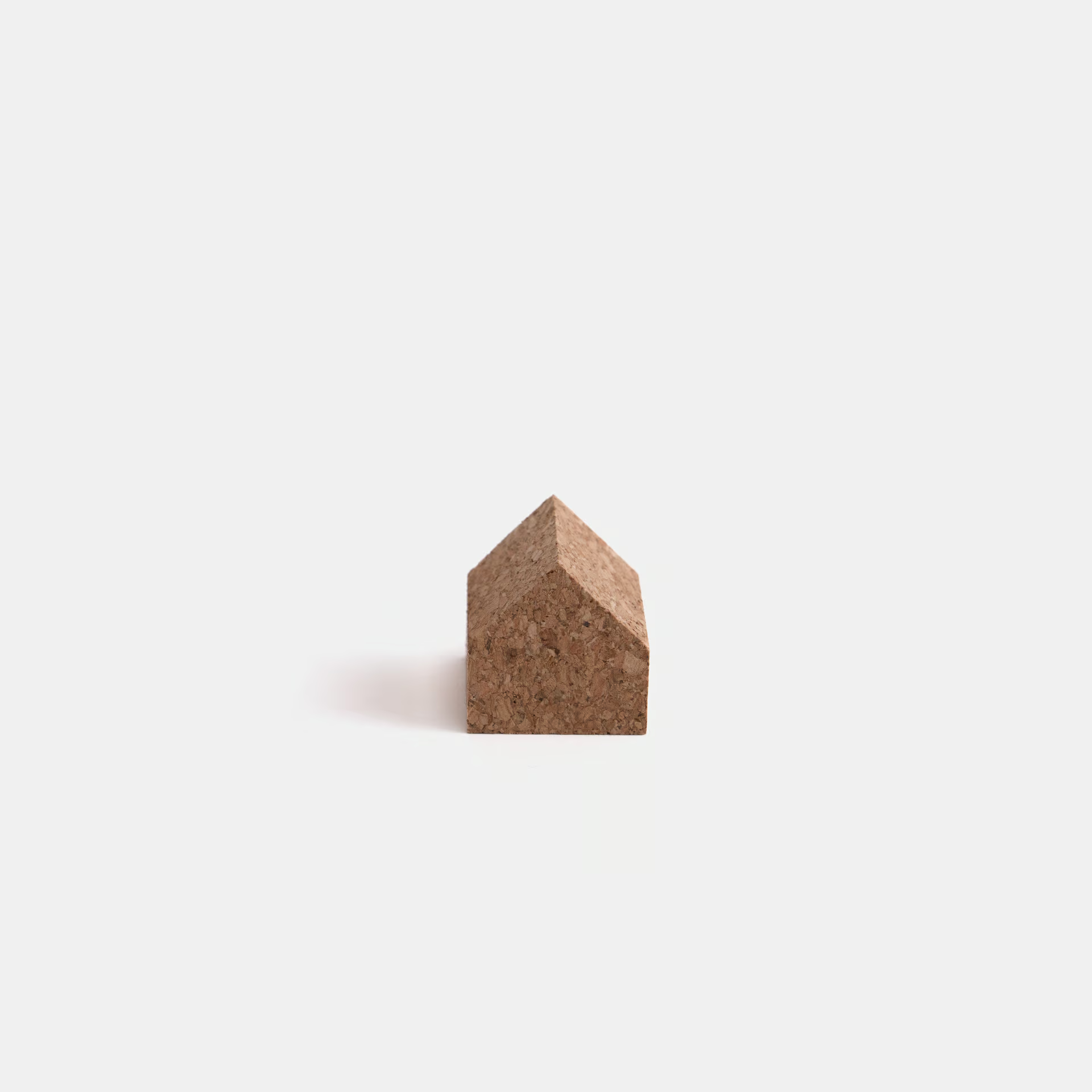
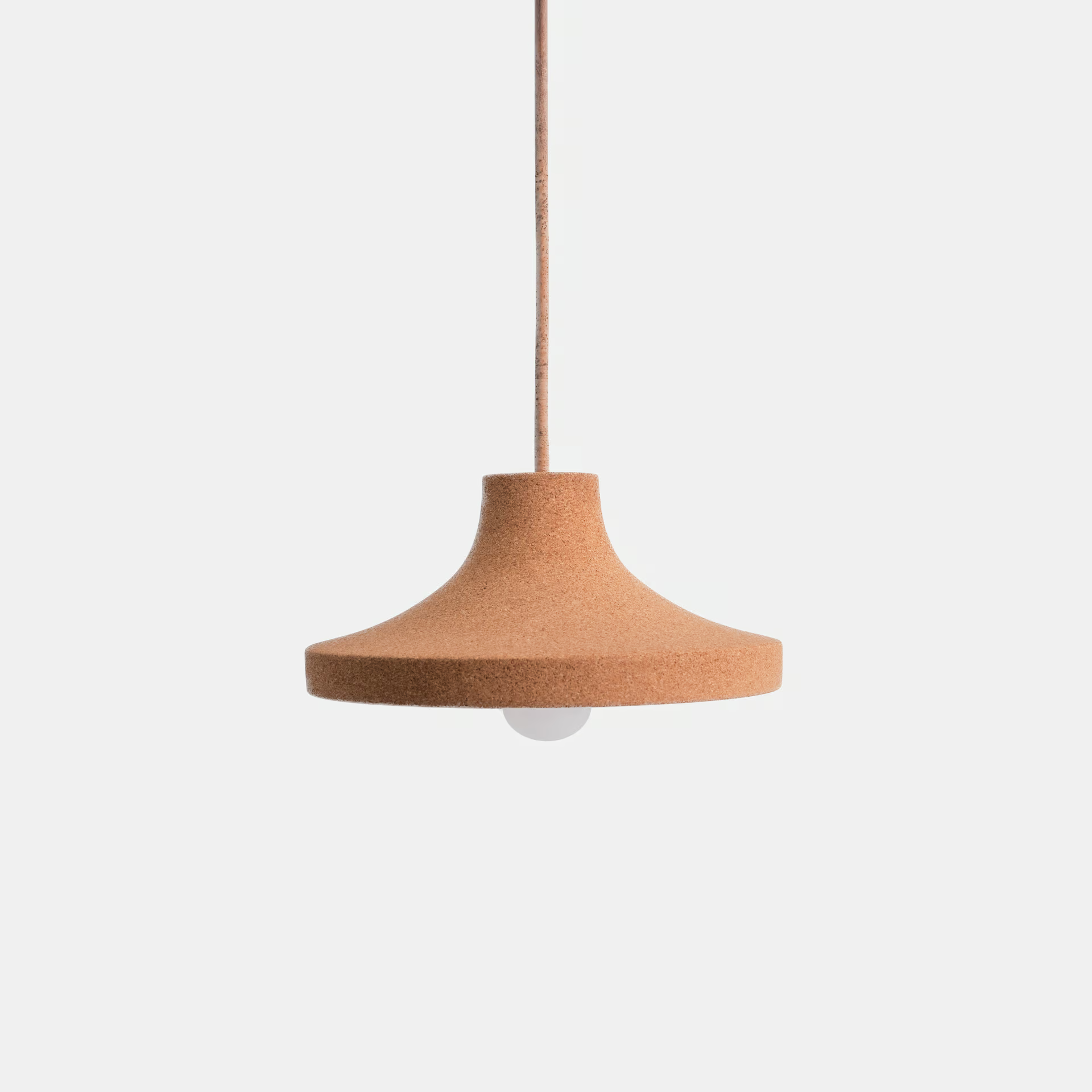
Cork Matters – design objects made from Portuguese cork, Porto
New Cork Matters® store
After two years of existence, Cork Matters has opened its new store in the center of Porto, at Rua do Rosário 143 - 145, in a block surrounded by art galleries, alternative and vintage stores, design studios, (Bombarda Quarteirão Criativo). A Concept Design Store with a selection of products from the collection and limited edition series.

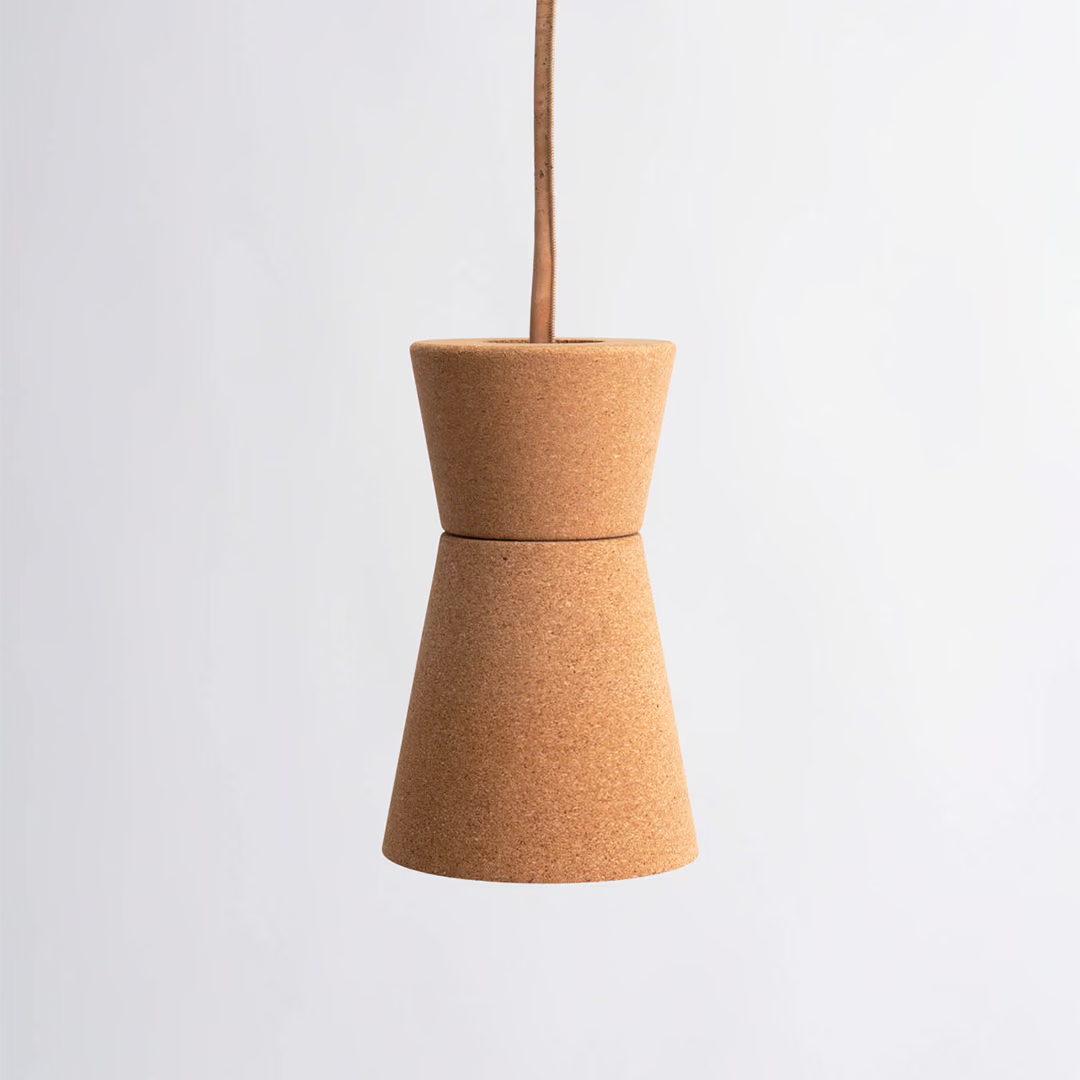
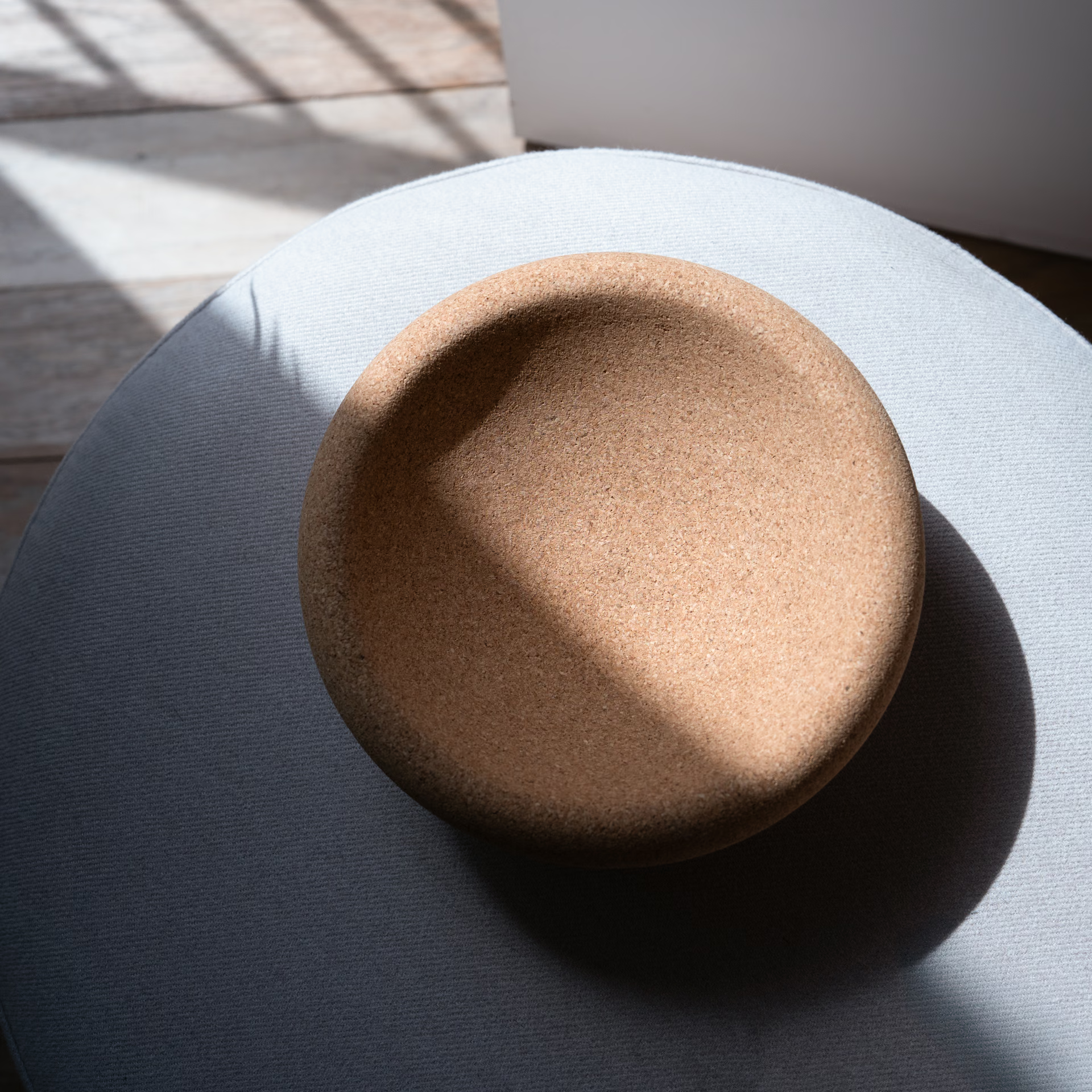
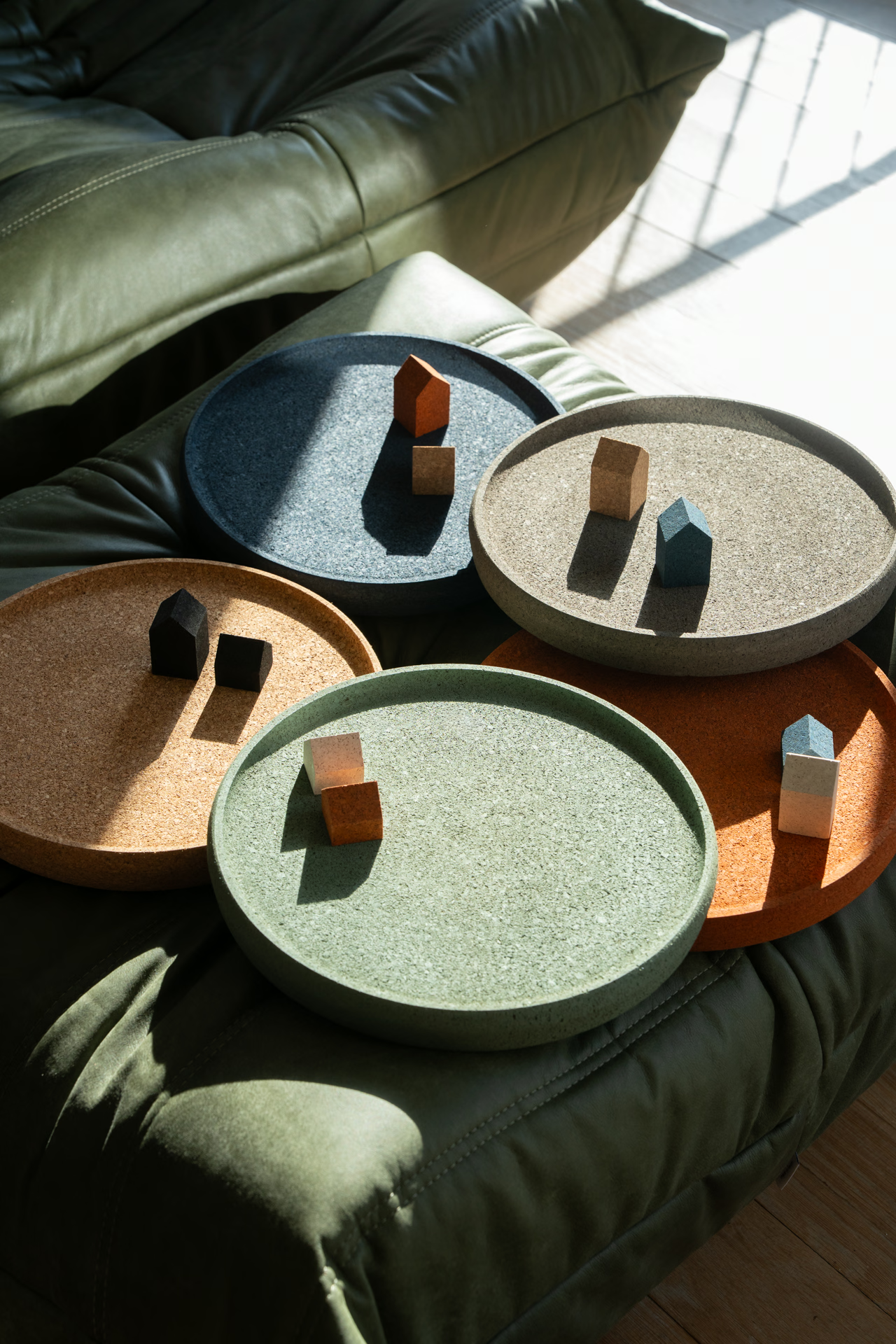
About us
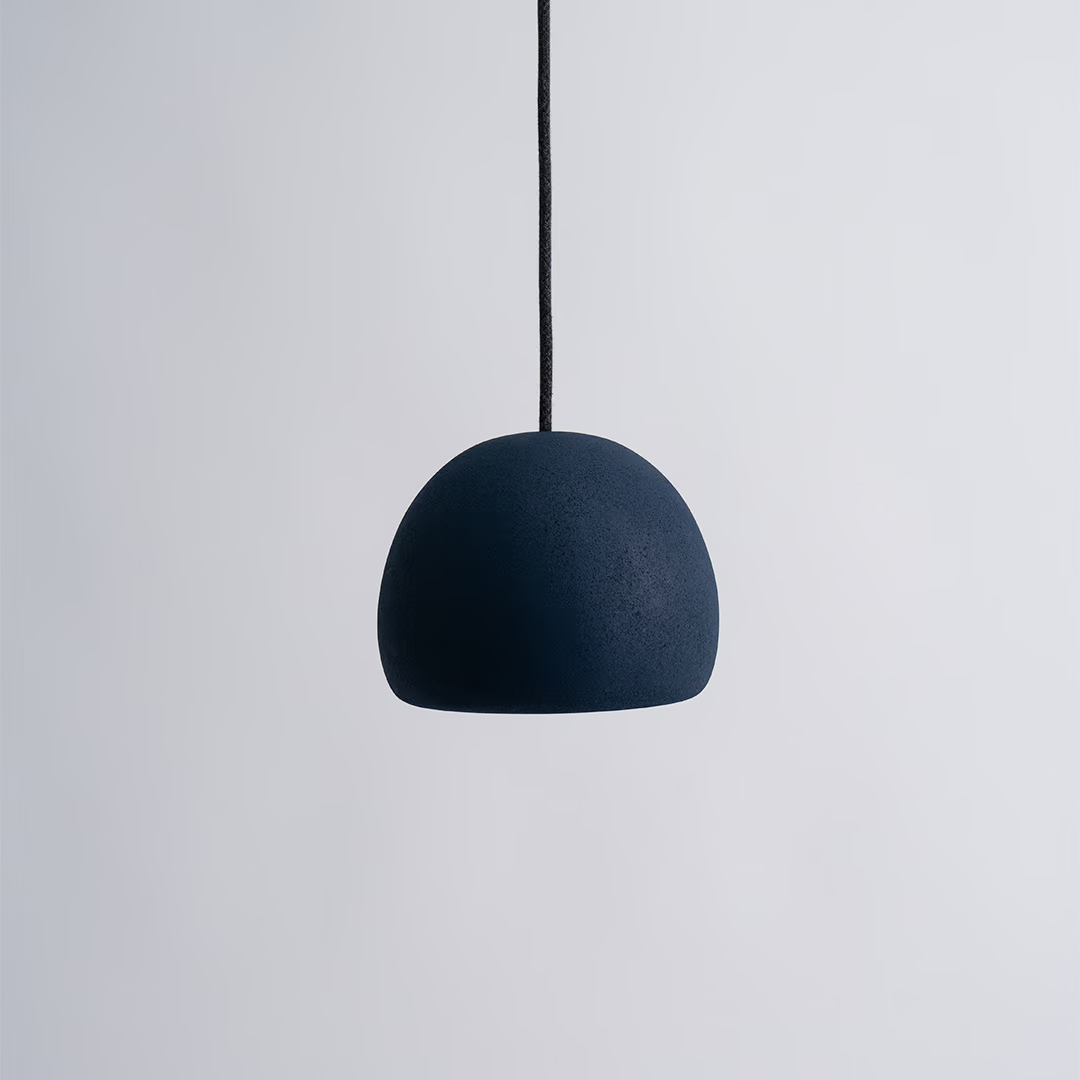
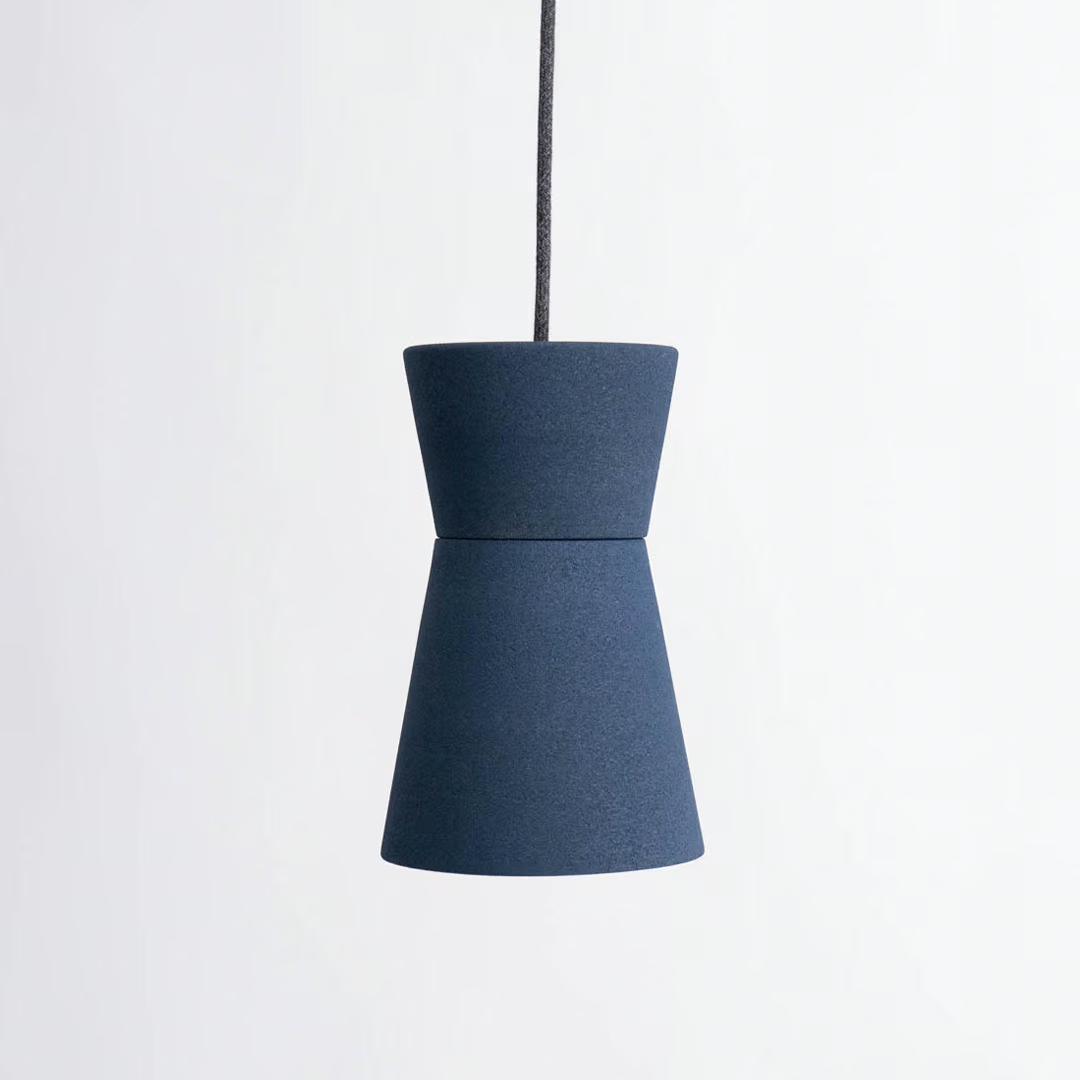
Cork Matters® is here to revolutionize your relationship with sustainable design. Founded by Porto based designers Alzira Peixoto and Carlos Mendonça, we transform Portugal’s finest cork into award-winning products that blend timeless craftsmanship with cutting-edge innovation. Our eco-friendly creations—ranging from our home collection to bespoke products harness cork’s natural durability, texture, and sustainability, enhancing spaces with both beauty and purpose. Discover Portugal’s most celebrated cork designs, delivering exceptional functionality and a greener future, every time.
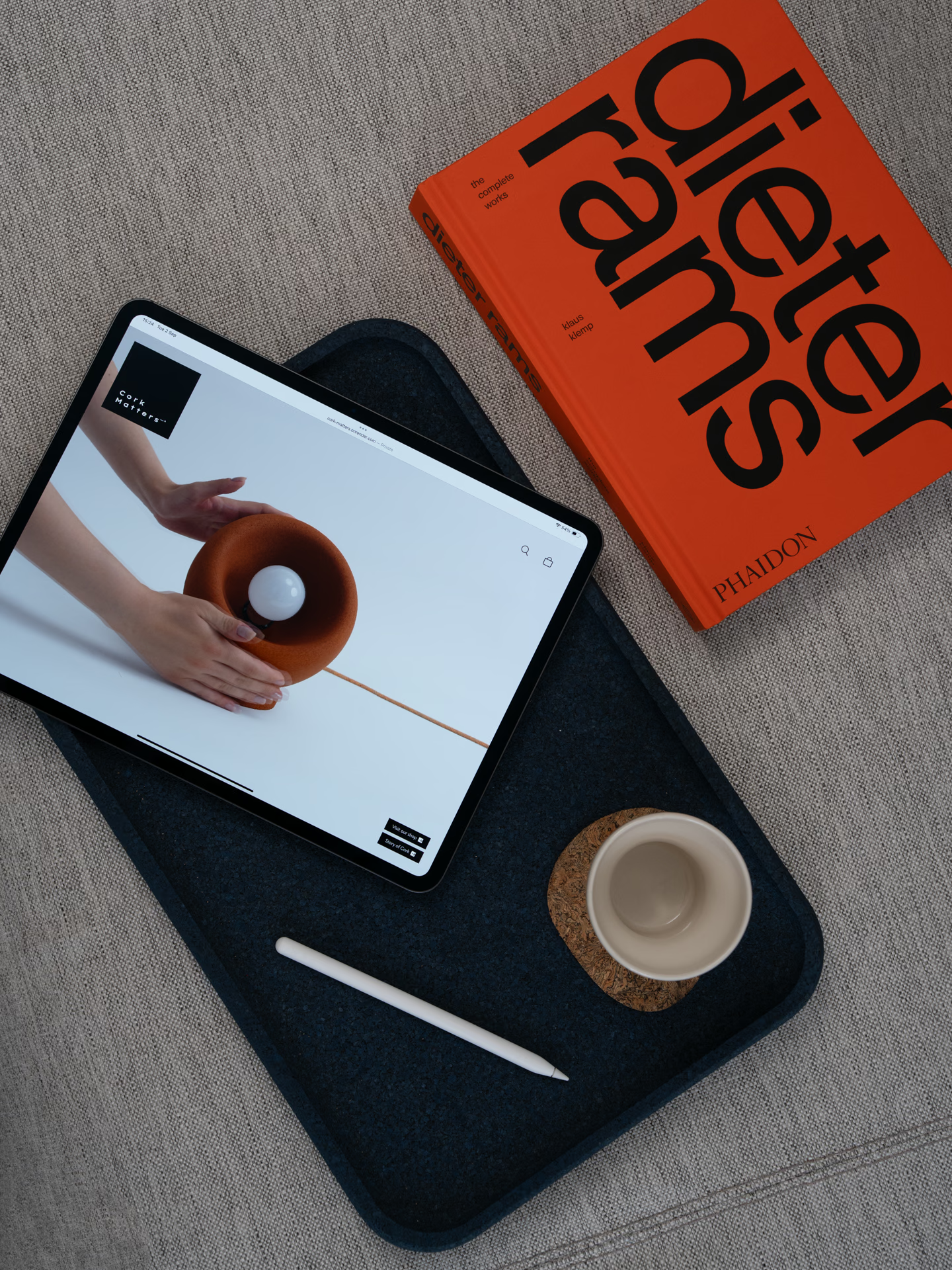
Bowl Large Spring Green
A generous cork bowl designed for holding everyday essentials, merging practicality with quiet sophistication. Cork is renewable and biodegradable, and using agglomerate utilises waste from the cork industry, making the process more environmentally friendly. What's more, cork's texture and sage green tone offer a modern, natural aesthetic that fits seamlessly into diverse spaces, with its flexibility enabling tailored, intuitive arrangements, starting in the home and finishing in an office space.
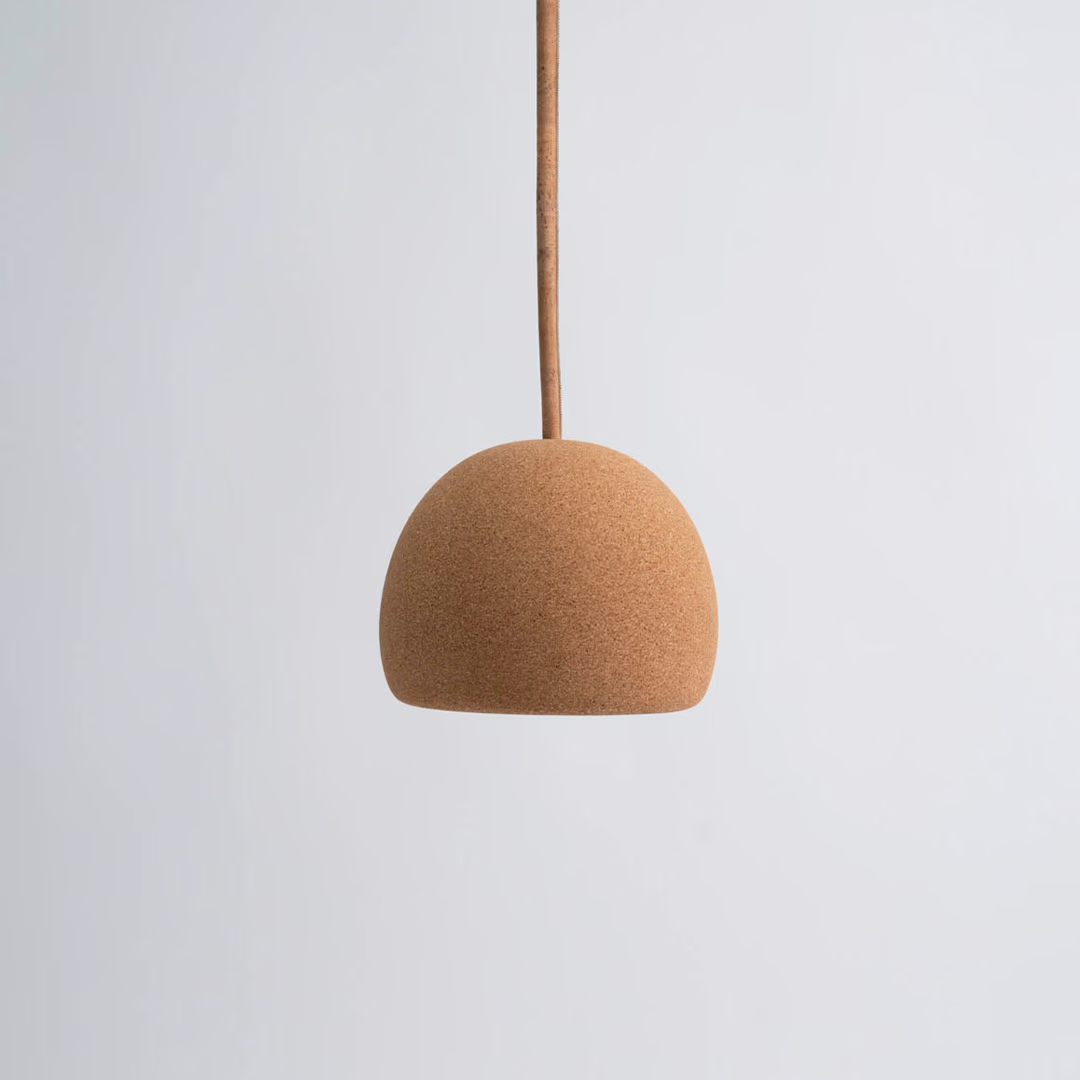
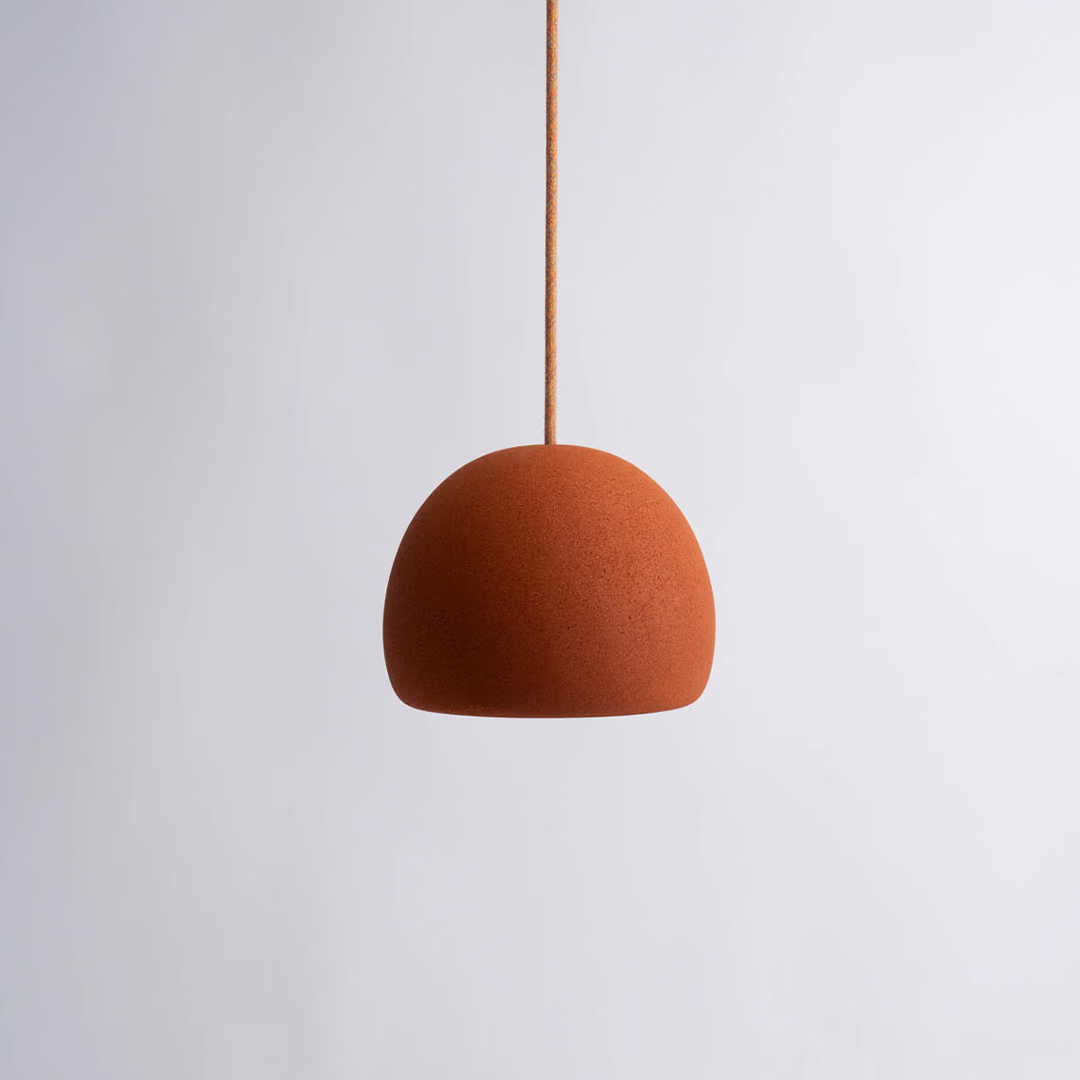
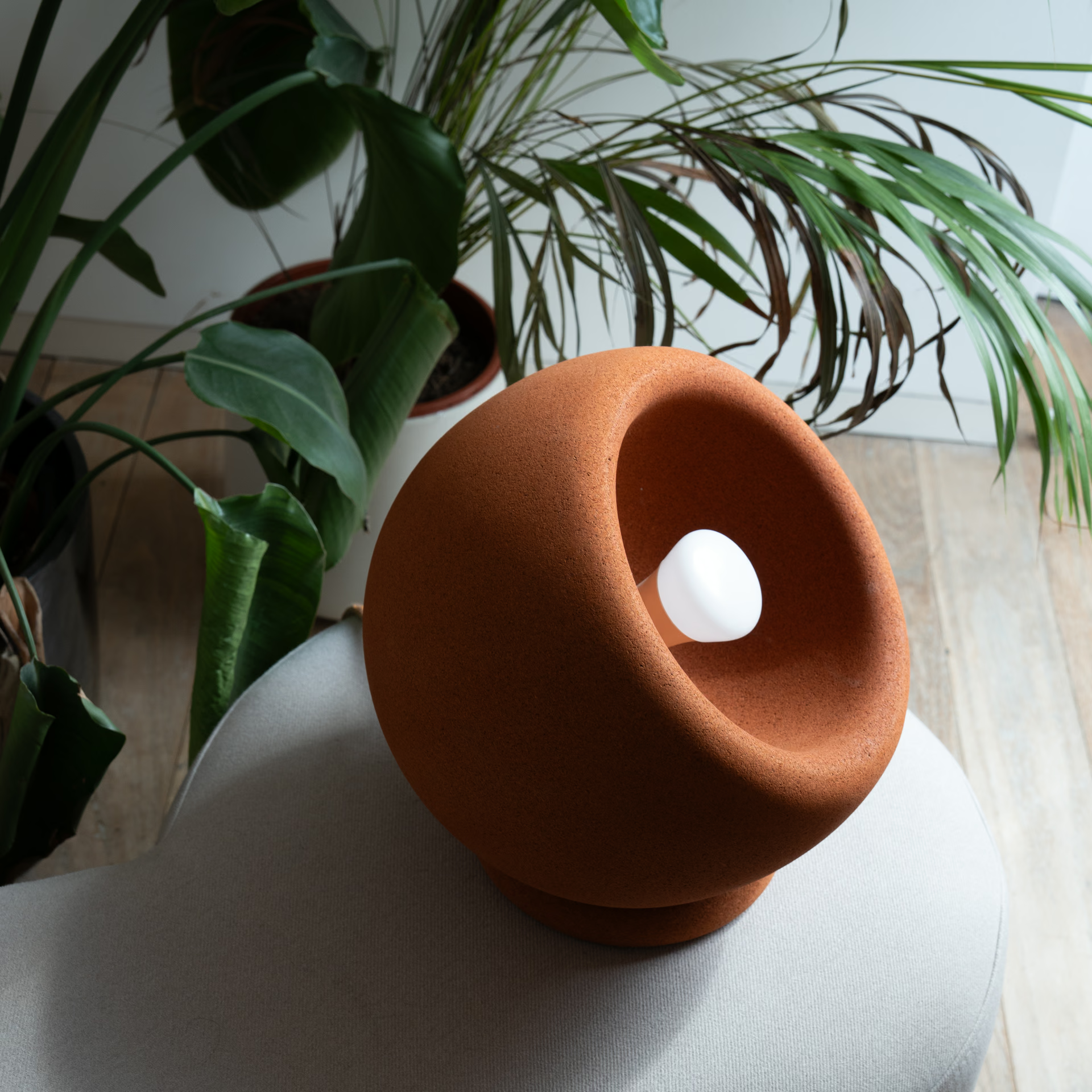
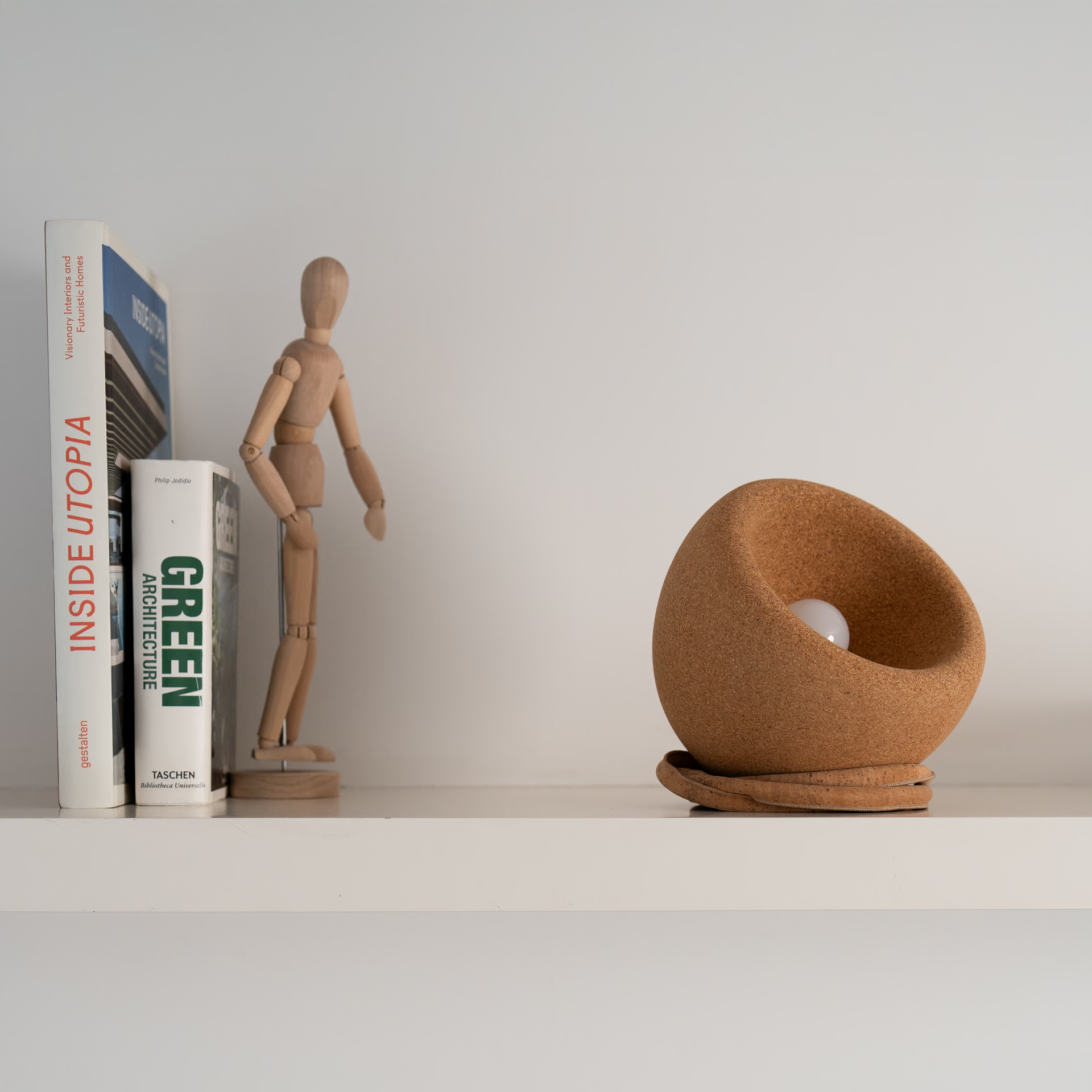
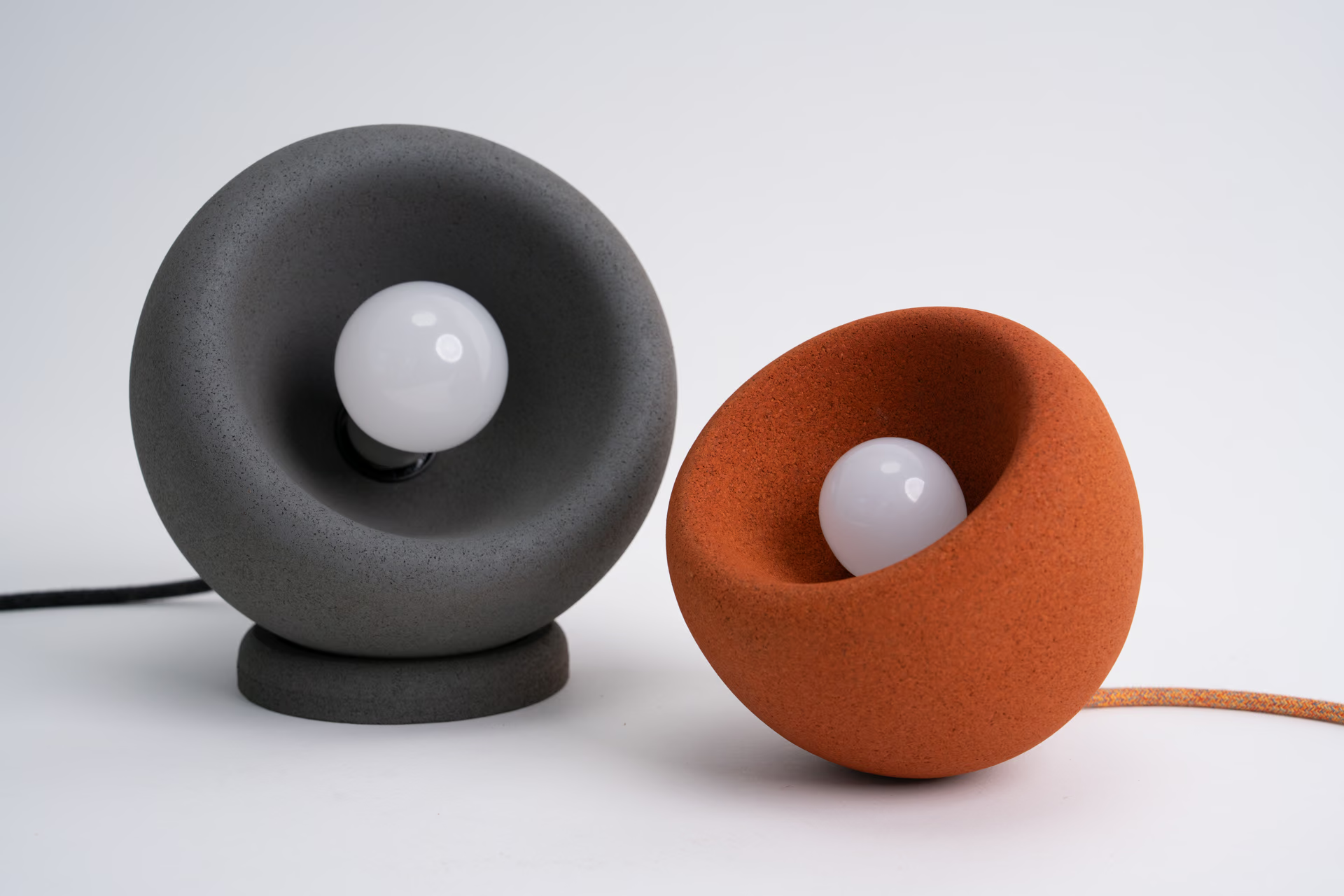
Orb S Terracotta
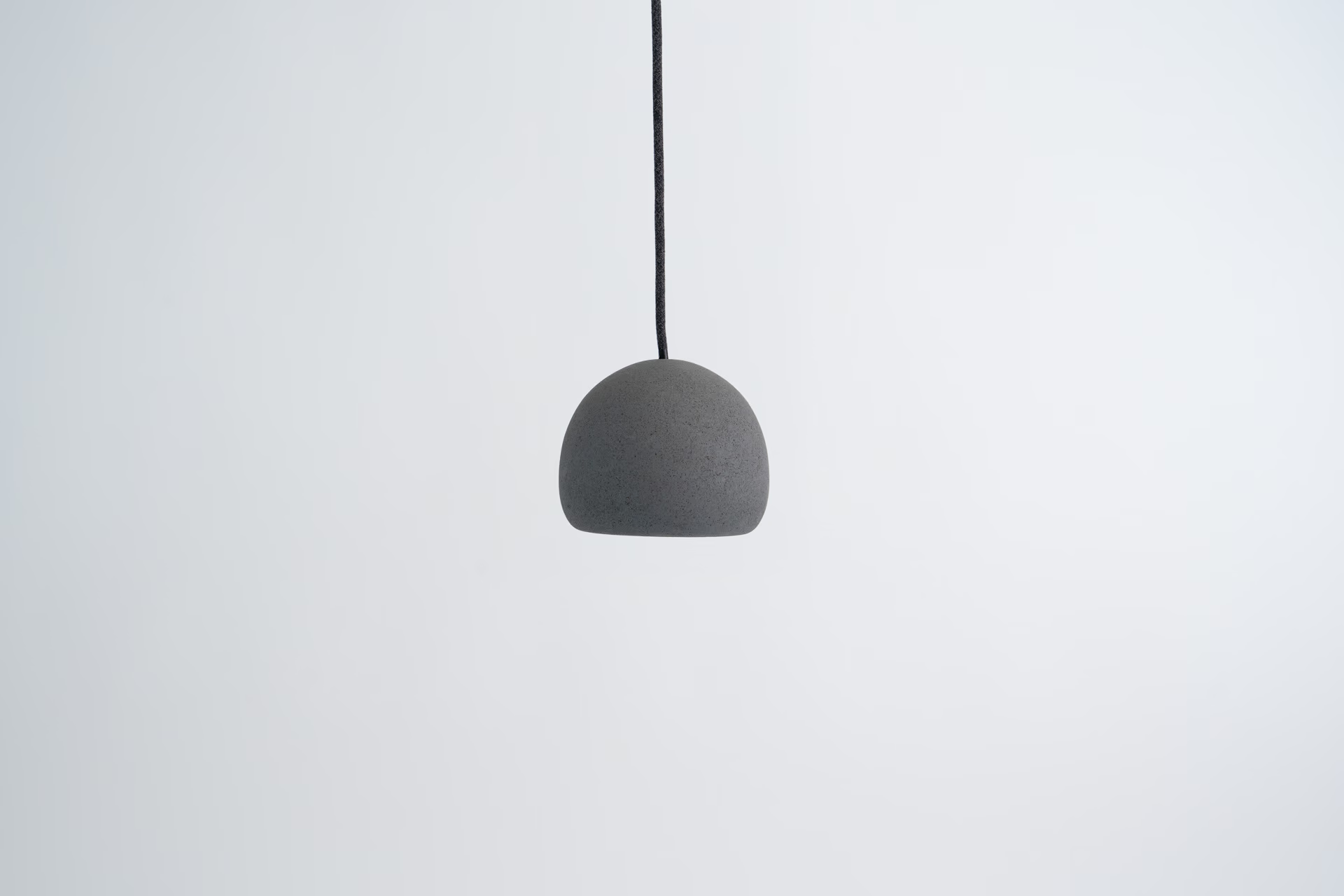
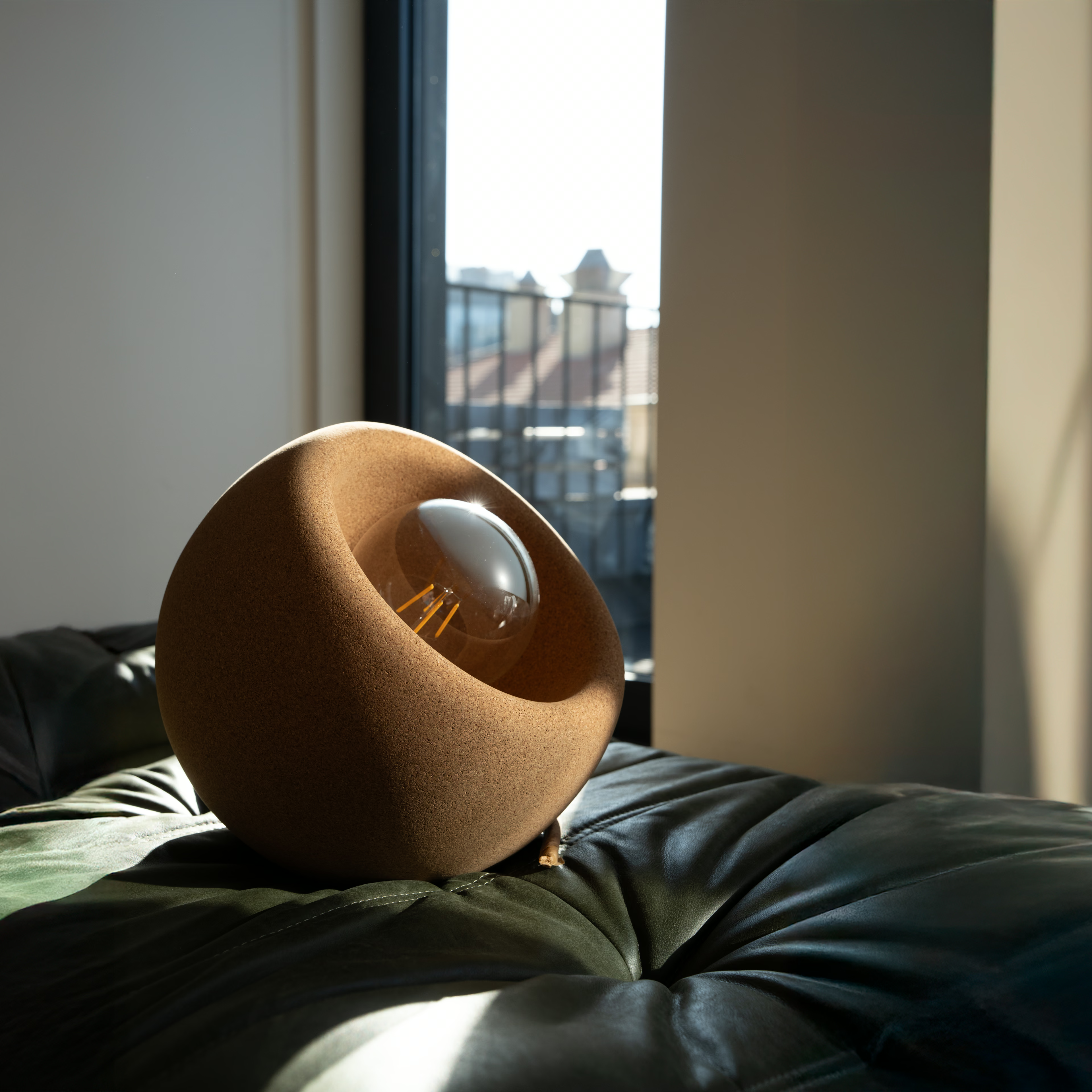
A spherical cork lamp designed to be either ceiling mounted or placed securely a support, combining sustainability with contemporary design. Cork is renewable and biodegradable, and using agglomerate utilises waste of the cork industry, making the process more environmentally friendly. What's more, cork's texture and colour offer a modern, natural look that adapts to different styles, and its versatility makes it possible to create personalised, creative designs.
Cork is a natural material of great importance in our modern world. Its sustainability, renewability and recyclability make it an unusually environmentally friendly choice. Its insulation properties, versatility and health benefits also increase its value in various industries. By recognising the importance of cork and choosing cork-based products, we can contribute to a more sustainable and environmentally friendly future, while enjoying the countless benefits this remarkable material has to offer.
Frequently Asked Questions
Cork is harvested from the bark of the cork oak tree (Quercus suber), which is native to the Mediterranean region. The primary countries where cork oak forests are found and where most cork is harvested include:
Portugal: The largest producer of cork, accounting for about 50% of the world's production.
Spain: Another major producer, contributing significantly to the global cork supply.
Italy: Particularly in regions like Sardinia.
France: Notably in the Provence and Corsica regions.
Morocco: Also a significant contributor to the cork industry.
Tunisia: Along with other North African countries, it has cork oak forests.
Cork offers a variety of benefits due to its unique properties and sustainable nature. Here are some of the key advantages:
Sustainability: Cork is harvested from the bark of cork oak trees without harming the tree, allowing it to regenerate and be harvested again every 9 to 12 years.
Eco-Friendly: The cork industry promotes forest conservation and biodiversity. Cork oak forests play a critical role in carbon sequestration, soil erosion prevention, and water cycle regulation.
Low Density: Cork is extremely lightweight, making it easy to handle and transport.
Buoyancy: Its buoyant nature makes cork ideal for products like fishing floats and life jackets.
Thermal Insulation: Cork has excellent thermal insulation properties, making it useful in construction for energy-efficient buildings.
Acoustic Insulation: It also provides good sound insulation, reducing noise transmission in buildings and other applications.
Flexible: Cork can be compressed and then return to its original shape, making it suitable for gaskets, seals, and bottle stoppers.
Shock Absorption: Its ability to absorb shocks makes it an excellent material for flooring, footwear, and protective packaging.
Durability:
Resistant to Wear: Cork is durable and resistant to wear and tear, which contributes to its longevity in various applications.
Resistant to Moisture: While it is impermeable to liquids, cork remains resistant to moisture and mold, enhancing its durability.
Hypoallergenic and Biodegradable:
Non-Toxic: Cork is hypoallergenic, free from harmful chemicals, and safe for use in various products, including those that come in contact with food and skin.
Biodegradable: Cork is a natural material that decomposes without releasing toxins, making it environmentally friendly.
Aesthetic and Versatile:
Natural Appearance: Cork has a unique, natural aesthetic that adds a warm and organic look to products and interiors.
Versatility: It can be used in a wide range of products, including flooring, wall coverings, furniture, fashion accessories, and even in the aerospace industry.
Cork products must be cleaned carefully to preserve their properties and ensure their durability.
Regular Cleaning
Light Dust and Dirt: Use a soft, dry cloth or a soft-bristled brush to remove dust and light dirt from the surface.
Heavier Stains and Dirt:
Prepare a solution of warm water and mild soap. Dip a soft cloth into the solution, wring out excess water and wipe the cork surface with gentle movements. Use a clean, damp cloth to remove any soap residue. Dry with a soft, dry cloth.
Deep Cleaning
Additional Care: Avoid exposure to water and immersing cork products in water, as this can cause damage and deformation. If the cork product gets wet, dry it quickly with a soft cloth. Protection against heat and direct sunlight: Keep cork products away from sources of excessive heat and direct sunlight to prevent drying out and discoloration.
Suitable Cleaning Products: Use only mild cleaning products and avoid aggressive, abrasive or alcohol-based chemicals, which can damage the cork. Regular Maintenance: Carry out regular cleaning to prevent the build-up of dirt and stains. Keep cork products away from sources of excessive heat and direct sunlight to prevent discoloration.Suitable Cleaning Products: Use only mild cleaning products and avoid aggressive, abrasive or alcohol-based chemicals, which can damage the cork.
Regular Cleaning
Light Dust and Dirt: Use a soft, dry cloth or a soft-bristled brush to remove dust and light dirt from the surface.
Heavier Stains and Dirt:
Prepare a solution of warm water and mild soap. Dip a soft cloth into the solution, wring out excess water and wipe the cork surface with gentle movements. Use a clean, damp cloth to remove any soap residue. Dry with a soft, dry cloth.
Deep Cleaning
Additional Care: Avoid exposure to water and immersing cork products in water, as this can cause damage and deformation. If the cork product gets wet, dry it quickly with a soft cloth. Protection against heat and direct sunlight: Keep cork products away from sources of excessive heat and direct sunlight to prevent drying out and discoloration.
Cork Matters is a company that specializes in producing a variety of cork products. Understanding the origin of their cork is essential for appreciating the sustainability and quality of their offerings.
Manual Stripping: Cork harvesting is done by skilled workers who carefully strip the bark from the trees using specialized tools. This process does not harm the tree, allowing it to regenerate its bark.
Virgin Cork: The first harvest, known as virgin cork, typically occurs when the tree is about 25 years old. This cork is of lower quality and is usually used for products that do not require high-grade cork.
Boiling and Cleaning: Harvested cork is boiled and cleaned to remove impurities and improve its elasticity.
Cutting and Shaping: The cork is then cut and shaped into various products, depending on the intended use.
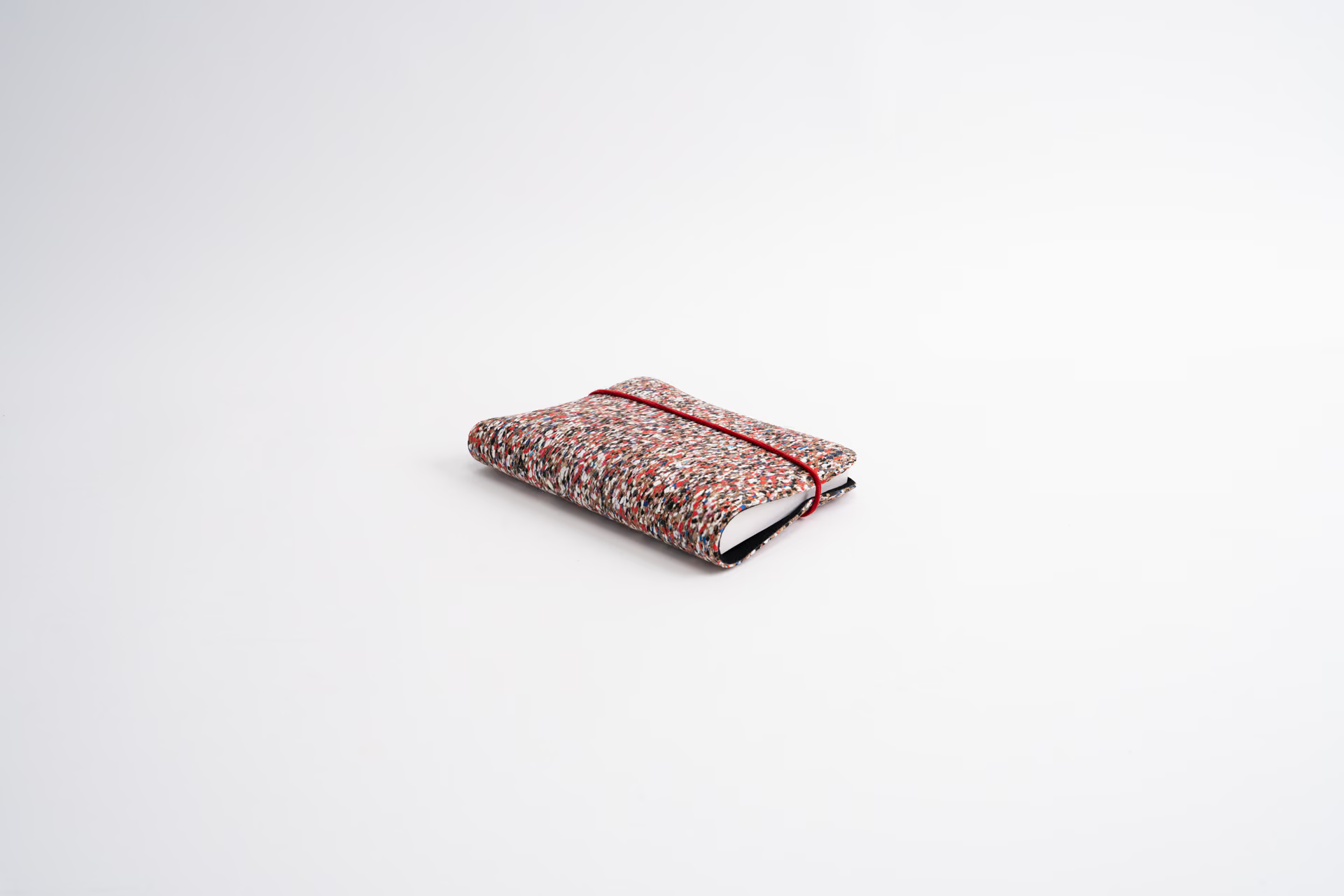
Cork Matters produces a wide range of products, including cork stoppers, flooring, wall coverings, fashion accessories, and household items.
Customization: They also offer customized cork products tailored to specific customer needs.
All Cork Matters products are made from Portuguese cork, and are processed and industrialized in factories in the north of Portugal.
Cork Matters made in Portugal.
Durability:
Wear and Tear: Although cork is durable, it is softer than many other materials and can be prone to dents, scratches, and abrasions, especially in high-traffic areas.
Moisture Sensitivity: Prolonged exposure to water can damage cork, causing it to swell, warp, or break down over time. This makes it less suitable for areas with high humidity or frequent exposure to liquids.
Maintenance:
Regular Care Required: Cork requires regular maintenance, including cleaning and occasional sealing, to maintain its appearance and functionality. Without proper care, cork can degrade faster than other materials.
Staining:
Susceptibility to Stains: Cork can absorb liquids and stains if not properly sealed, making it more challenging to keep clean in environments prone to spills, such as kitchens and dining areas.
Temperature Sensitivity:
Thermal Conductivity: Cork is a good insulator, but it can also be sensitive to extreme temperatures. Exposure to high heat can cause cork to dry out and become brittle, while freezing temperatures can make it more prone to cracking.
Limited Availability:
Geographical Constraints: Cork is primarily harvested in the Mediterranean region, particularly in Portugal and Spain. This geographical limitation can affect the supply chain and availability of cork products globally.